
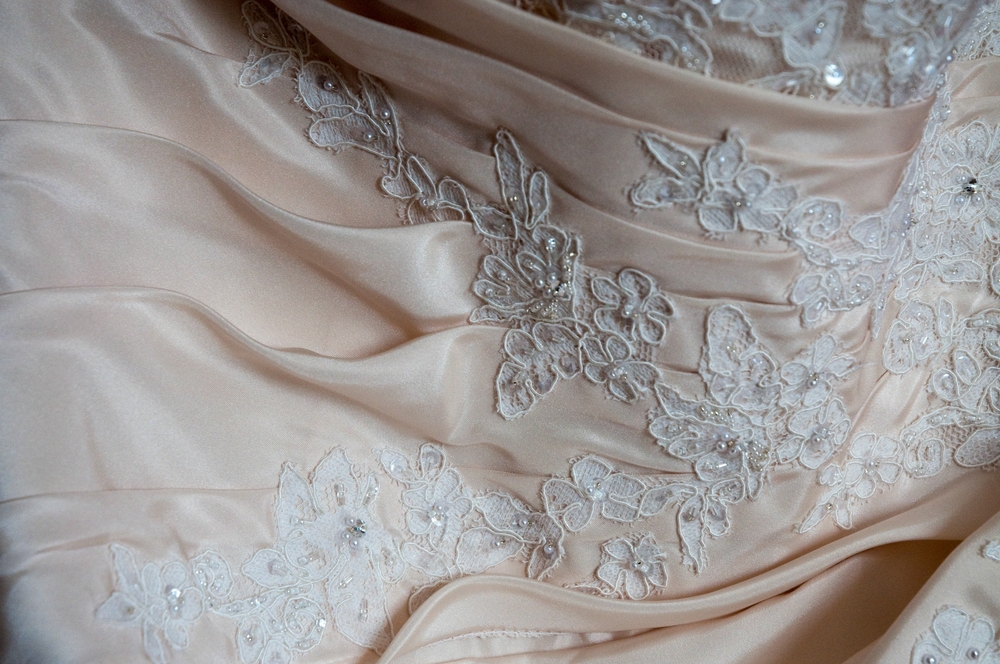
Some bridal details are meant to be seen across the room. Others are meant to be discovered slowly. A tiny initial near the sleeve edge. A wedding date hidden inside a dupatta border. A small motif that only the bride and her family understand. These details may not be the first thing guests notice, but they often become the parts brides remember most.
That is why hidden embroidery details are becoming such a meaningful part of bridal fashion in 2026.
Many brides no longer want an outfit that only looks grand. They want something that feels personal. They want beauty, yes, but they also want memory stitched into the garment. This is where custom hand embroidery becomes more than decoration. It becomes a quiet way to tell a story without explaining it to everyone.
For brands like Aarizardosi Embroidery, this shift feels natural. Traditional handwork has always carried emotion, patience, and detail. What has changed is how brides are using it. They are asking for smaller, more intimate touches alongside the larger bridal design.
Why Hidden Embroidery Feels So Personal
A bridal outfit already carries pressure. Brides think about the silhouette, the color, the photographs, the family expectations, the ceremony, the reception, and of course, the budget. With so many visible decisions to make, hidden embroidery gives them something softer.
It does not need to impress everyone.
It only needs to mean something.
That is usually where the decision becomes clearer. A bride may choose heavy borders, detailed panels, or bridal Zardosi embroidery for the main visual impact, but the hidden details are often chosen for emotional reasons. They might be connected to a parent, a partner, a place, a prayer, or a memory.
In most cases, these details are not loud. They sit quietly inside the design, almost like a private note.
And that is exactly why they matter.
Initials and Dates Are Still the Most Loved Details
Some ideas stay popular because they work. Initials and wedding dates remain among the most requested hidden embroidery details for brides in 2026.
They are simple, but they hold weight.
A couple’s initials can be placed inside a blouse sleeve, along the edge of a veil, under a lehenga waistband, or within a floral motif. The wedding date may be embroidered in a tiny thread tone that blends into the fabric or in metallic Zardosi for a more visible effect.
What many people don’t realize at first is that placement matters as much as the detail itself. If initials are too large, they can look forced. If the date is placed in an area that folds too much, it may lose clarity. A skilled embroidery team will usually suggest areas that protect the meaning while keeping the outfit elegant.
The goal is not to turn the outfit into a message board.
The goal is to make the memory feel naturally woven into the garment.
Family Symbols and Cultural Motifs Are Becoming More Thoughtful
Brides are also adding family symbols in a more refined way. This may include a small flower connected to a family tradition, a motif from a mother’s wedding outfit, a regional design pattern, or a symbol that reflects cultural heritage.
This is where hand embroidery designs can become deeply personal. The pattern does not have to be obvious to everyone. A lotus, paisley, peacock feather, vine, star, moon, or small architectural detail can carry meaning depending on the bride’s story.
Sometimes the inspiration comes from old wedding photographs. Sometimes it comes from jewelry. Sometimes it comes from the bride’s childhood home.
It may sound simple, but it matters more than people think. Many brides living in the USA want their wedding outfits to feel connected to tradition without feeling dated. Hidden cultural details allow that balance. The outfit can look modern from a distance, while still carrying a quiet connection to family and heritage up close.
Messages Inside Borders and Veils
One of the most beautiful trends in 2026 is the use of short phrases inside bridal borders and veils. These are usually not long sentences. They may be a few words, a blessing, a name, or a phrase that feels meaningful to the bride.
Some brides prefer romantic wording. Others choose spiritual phrases or family blessings. Some keep it extremely private, adding words in a tone-on-tone thread so they are barely visible unless someone looks closely.
This type of detail works especially well with an Aari embellishment service because the technique allows for fine control and delicate curves. Letters can be shaped carefully, blended into vines, or placed between floral elements so they do not interrupt the overall design.
Still, this needs planning.
Text can easily become awkward if the font, spacing, or placement is not considered properly. A phrase that looks beautiful on paper may not sit well on curved fabric or a heavily embellished border. The embroidery must be planned around movement, drape, and the way the fabric will be worn.
That is why brides should finalize text-based embroidery early, not as a last-minute addition.
Hidden Color Details Are Gaining Attention
Not every hidden detail needs to be a symbol or word. Color itself can carry meaning.
Some brides are adding tiny touches of blue, red, gold, ivory, green, or a family-favorite shade inside their embroidery. It might be hidden in a flower center, a small bead cluster, or the underside of a dupatta border.
This works especially well for brides who want a mostly traditional outfit but still want something playful or personal. For example, a bride wearing ivory may add a soft blue thread detail as her “something blue.” Another bride may include a color from her partner’s culture or a shade connected to her family home.
The detail is small, but it adds warmth.
This is where people often start to notice the value of custom planning. A machine-made design may not allow this level of subtle adjustment. With hand embroidery, the details can be shaped around the bride’s story instead of forcing her story into a fixed pattern.
Memory Pieces From Older Garments
A meaningful trend in bridal embroidery is the use of inspiration from older garments. Some brides want to include a design element from their mother’s saree, grandmother’s dupatta, or a family heirloom fabric.
This does not always mean cutting or altering the original piece. Sometimes it means recreating a motif in a fresh way. A small border, floral pattern, or stitch style can be studied and then reinterpreted for the new bridal outfit.
For brides looking into Zardosi embellishment online, this can be especially helpful. They may be able to share photos of old garments, close-up motifs, or family references during the design discussion. From there, the embroidery team can suggest what is possible, what may need simplification, and what would work best on the chosen fabric.
There is a quiet emotional value in this.
The bride gets something new, but the memory continues.
Names Hidden in Floral Patterns
One of the more delicate ideas brides are exploring is hiding names inside floral or vine patterns. A partner’s name, a parent’s name, or even a short family word can be shaped into the flow of the embroidery.
This is not always easy to execute well. If the lettering is too obvious, it can feel less elegant. If it is too hidden, the bride may feel the detail was lost. The right balance depends on the size of the motif, the thread color, and how visible the bride wants the detail to be.
In custom hand embroidery, these choices can be adjusted with care. The name may sit along a stem, inside a border, or within a repeated pattern. It becomes part of the artwork instead of sitting on top of it.
For many brides, that subtlety is the whole point.
Why Placement Should Be Planned Early
Hidden details may be small, but they should not be treated as afterthoughts. Placement affects comfort, visibility, durability, and the final look of the garment.
Some areas are better for delicate hidden embroidery, such as:
- Inner blouse edges
- Dupatta corners
- Lehenga waistbands
- Sleeve cuffs
- Veil borders
- Back neckline areas
- Inside panels or lining edges
Other areas may not be ideal because of folding, friction, heavy movement, or stitching limitations.
Planning does not remove every challenge, but it gives the project a clearer path. In most cases, problems appear when hidden details are added too late or when brides assume every idea will work on every fabric. A good embroidery process helps narrow the options before production begins.
Aarizardosi Embroidery often approaches this stage with practical guidance, helping brides understand how their chosen detail can fit into the larger bridal design without making the outfit feel crowded or unbalanced.
Keeping the Design Elegant Instead of Overloaded
There is always a temptation to add more. One date becomes a date and initials. Then a phrase. Then a flower. Then a symbol. Then another color.
It is understandable. Weddings bring emotion to the surface, and brides want to honor many parts of their story. But embroidery needs breathing room. Even hidden details should feel intentional.
A strong bridal design usually has a hierarchy. Some elements are meant to lead. Others are meant to support. Hidden details should support the outfit emotionally without competing with the main design.
That is why hand embroidery designs should be reviewed as a whole, not as separate ideas. The best result often comes from choosing two or three meaningful details and placing them thoughtfully rather than trying to include everything.
Restraint can make the meaning stronger.
Cost and Timeline Expectations
Custom hidden embroidery can affect both cost and timeline, especially when it involves special lettering, unique motifs, metallic work, or detailed placement. A small detail may look simple, but it still requires design planning, tracing, material selection, and careful execution.
The cost depends on the complexity, size, materials, and the amount of handwork required. Bridal Zardosi embroidery usually requires more time because the embellishments are applied with care and must be secured properly for wear.
Brides should also allow time for approvals. If the design includes initials, dates, or meaningful symbols, checking the spelling and placement matters. A small mistake can become difficult to fix once the embroidery is completed.
This is where a calm, clear process helps. Brides do not need to know every technical detail, but they should understand that handmade work takes time because the quality depends on attention.
FAQs
What hidden embroidery details are brides adding in 2026?
Brides are adding initials, wedding dates, short phrases, family symbols, meaningful colors, and small motifs inspired by heirloom garments.
Can hidden embroidery be added to any bridal outfit?
In many cases, yes, but it depends on the fabric, garment structure, embroidery weight, and available placement areas.
Is custom hidden embroidery expensive?
It depends on the detail. Simple initials may be more affordable, while complex motifs, Zardosi work, or detailed lettering can increase the cost.
How early should brides plan hidden embroidery?
Brides should plan it before production begins. Last-minute details can create placement issues or delay the embroidery process.
Can Aarizardosi Embroidery create custom bridal details online?
Yes, brides can discuss ideas, references, and design preferences online so the embroidery can be planned carefully before work begins.
Final Thoughts
Hidden embroidery details are becoming popular because brides want their outfits to feel personal, not just beautiful. A small date, a quiet phrase, a family motif, or a hidden color can make the garment feel connected to a real story.
The most important thing is to plan these details with care. They should feel natural within the outfit, not added only because they are trendy. Good embroidery has balance. It respects the fabric, the occasion, and the bride’s comfort.
For brides who want meaningful handwork, Aarizardosi Embroidery offers a thoughtful way to explore custom details through traditional techniques and careful design planning. The next step can be simple. Start with the memory or symbol that matters most, then shape the embroidery around it with patience and clarity.