
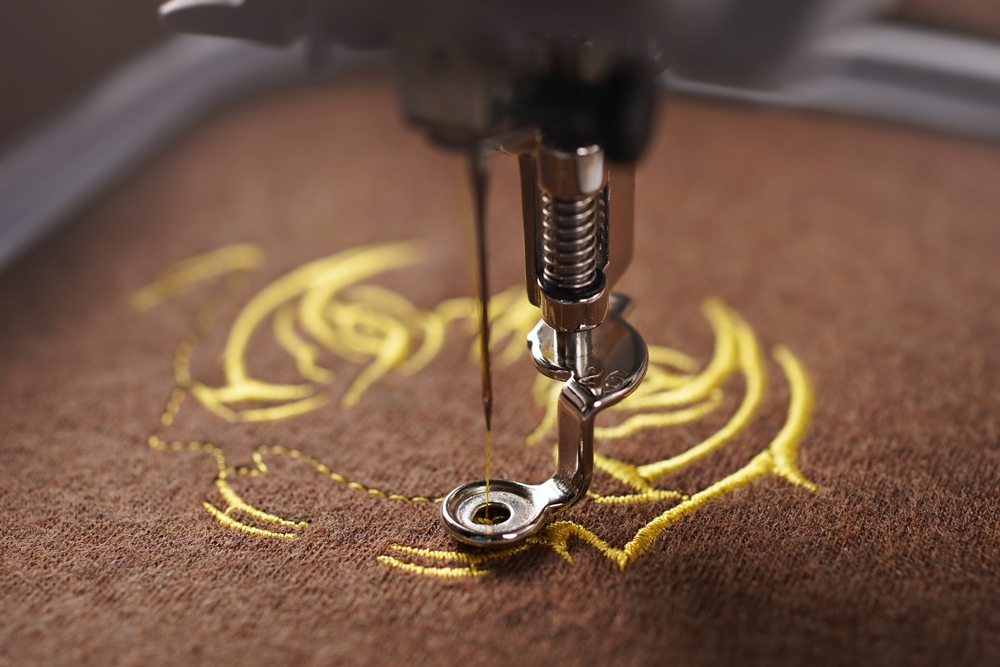
A bridal outfit is never just about fabric. For many brides, especially those planning South Asian, fusion, or couture-inspired weddings in the USA, the embroidery carries memory, culture, personal taste, and the feeling of the day itself. It is the part people look at closely. It is the part that shows up in photographs. It is often the detail that makes a lehenga, gown, saree, jacket, veil, or dupatta feel personal rather than simply beautiful.
That is why the choice between Aari Zardosi and machine embroidery matters more than people expect at first.
At a quick glance, both can look decorative. Both can add shine, texture, and detail. But once you understand how each one is made, how it feels on the garment, how it photographs, and how it holds emotional value, the difference becomes clearer. Many brides in the USA are not just asking what looks good. They are asking what feels worth it.
For bridalwear, that question matters.
Why Brides Compare Handwork and Machine Embroidery
Most brides begin with inspiration. They save images, compare silhouettes, look at colors, and imagine how the outfit will feel on the wedding day. Somewhere in that process, embroidery becomes a major decision.
Machine embroidery often appears more accessible. It can be faster, more consistent, and easier to produce in larger quantities. For brides working with a tighter timeline or a fixed budget, that can feel practical.
Aari Zardosi, on the other hand, brings a different kind of value. It is slower, more detailed, and more dependent on skilled hands. It creates depth in a way that feels less flat and more intentional. For brides looking for designer Zardosi embroidery, especially for a main wedding outfit, that handmade quality is often part of the emotional appeal.
What many people don’t realize at first is that the choice is not only about “handmade versus machine-made.” It is about the role the embroidery plays in the final outfit.
Is it meant to simply decorate the fabric?
Or is it meant to become the identity of the piece?
That’s usually where the decision becomes clearer.
What Makes Aari Zardosi Feel Different
Aari Zardosi is rooted in traditional hand embroidery techniques, often created with fine hooks, metallic threads, beads, sequins, stones, zari, dabka, nakshi, and other embellishments depending on the design. Each motif is built gradually, stitch by stitch.
This is where the difference can be felt.
Hand embroidery has slight natural variations. These are not flaws. They are signs of human work. The curves may carry softness. The motifs may have dimension. The metallic elements often catch light from different angles instead of sitting as one flat surface.
For bridalwear, that matters more than people think.
A bride may walk under natural daylight during an outdoor ceremony, warm lighting at the reception, or camera flashes during portraits. Aari Zardosi tends to respond beautifully to movement and light because the embroidery is layered by hand. It gives the garment a sculptural feeling, especially when used on borders, sleeves, necklines, panels, veils, and statement blouses.
This is one reason Bespoke hand embroidery remains so valued in couture bridal fashion. It allows the design to be adjusted to the bride’s outfit, body shape, fabric, wedding theme, and cultural preferences.
It feels made for someone, not just made for a product.
Where Machine Embroidery Works Well
Machine embroidery has its place, and it would be unfair to dismiss it completely. In most cases, machine work is useful when a bride wants cleaner repetition, lighter decorative patterns, or a more budget-conscious option.
It can work well for:
- Smaller wedding events
- Bridesmaid outfits
- Reception details
- Lightweight dupattas
- Contemporary gowns
- Simple borders and repeated motifs
- Outfits that need faster production
Machine embroidery can also create neat, polished patterns. For minimal designs, it may be enough. Some brides prefer that controlled finish, especially when they want less weight or a more modern look.
The limitation usually appears when the design requires depth, richness, or a couture-level finish. Machine embroidery can look beautiful from a distance, but up close, it may not carry the same texture, layering, or handcrafted character. This is where brides planning heirloom-style outfits often start leaning toward Aari Zardosi.
What Brides in the USA Usually Prefer
Brides in the USA often have a slightly different set of concerns compared with brides shopping locally in South Asia. They may be planning across time zones, coordinating with family in different countries, managing shipping timelines, and trying to balance tradition with a modern wedding setting.
Because of this, their preferences are usually practical and emotional at the same time.
Many brides prefer Aari Zardosi for the main wedding outfit because it feels more meaningful. It gives the outfit a sense of occasion. It also connects strongly with cultural craftsmanship, which can matter deeply for brides who want their wedding clothing to reflect heritage while still feeling refined and current.
Machine embroidery is often preferred for secondary outfits, guest pieces, or events where the look needs to be elegant but not heavily detailed.
So the preference is not always one over the other.
A common pattern looks like this:
- Aari Zardosi for the wedding lehenga, saree, gown, or statement blouse
- Machine embroidery for lighter pre-wedding outfits
- Mixed embroidery for reception or fusion looks
- Hand-finished details added to machine bases for a balanced result
That last option is becoming more common. Brides want practicality, but they still want something personal. A machine base with hand-embroidered highlights can sometimes create a good middle ground, depending on the design.
How Cost Shapes the Decision
Cost is one of the biggest reasons brides compare these two options. Aari Zardosi usually costs more because it requires skilled labor, more time, and careful finishing. The price depends on many factors, including design density, materials, fabric type, motif complexity, and the number of embroidered panels.
Machine embroidery is generally more affordable because the process is faster and easier to repeat.
But cost should not be judged only by the first price. It helps to think about value.
A bridal outfit with designer Zardosi embroidery may take longer and cost more, but it can also feel more personal, more memorable, and more suitable for preservation. Some brides keep their wedding outfit as an heirloom. Some later repurpose the dupatta, blouse, jacket, or border into another piece. Hand embroidery often carries that long-term emotional value more naturally.
That does not mean every bride needs heavy handwork. It means the embroidery should match the importance of the garment.
A main wedding outfit deserves a different level of consideration than an outfit worn for a short pre-wedding dinner.
Timeline Matters More Than Brides Expect
Timeline pressure can change the decision quickly. Aari Zardosi needs time because the process is manual. Even a skilled team cannot rush detailed hand embroidery without affecting quality.
This is where people often start to notice the importance of early planning. Brides may spend months choosing a design, then realize the embroidery itself needs careful production time. If international shipping is involved, the timeline becomes even more important.
Machine embroidery may be better when the event is close and the design is not highly customized. But for brides who want Aari Zardosi online orders, planning early gives more room for design discussions, sample approvals, material selection, production, finishing, and delivery.
Aarizardosi Embroidery works with this kind of planning mindset, especially for brides who need clarity before committing to detailed handwork. The goal is not just to create embroidery. It is to make sure the design, timing, and expectations are understood before the work begins.
That calm planning stage can prevent a lot of stress later.
The Role of Fabric and Outfit Style
Not every embroidery technique works equally well on every fabric. This is another detail brides sometimes overlook.
Aari Zardosi pairs beautifully with fabrics that can support detailed embellishment, such as silk, velvet, raw silk, organza, georgette, net, and certain structured couture fabrics. The base must be chosen carefully because heavier embroidery needs support.
Machine embroidery can work well on lighter fabrics, but dense machine stitching may sometimes stiffen delicate materials or make them feel less fluid. The final result depends on thread choice, backing, design density, and finishing quality.
For embroidery for haute couture, the relationship between fabric and embroidery is extremely important. The embroidery should not fight the garment. It should sit naturally on it.
A heavily embroidered border on a dupatta should fall well.
A blouse should feel wearable, not rigid.
A gown panel should enhance movement, not restrict it.
These practical details are part of what separates thoughtful bridal embroidery from surface decoration.
Why Hand Embroidery Feels More Personal
There is a quiet difference between something that is produced and something that is made with attention.
With Aari Zardosi, brides often get more room to personalize motifs, initials, borders, color combinations, cultural symbols, floral patterns, and placement. That flexibility matters for brides who want their outfit to feel connected to their story.
Some may want traditional Mughal-inspired patterns. Others may prefer softer florals, modern geometry, delicate metallic accents, or luxury embroidered textile art that feels suitable for a couture wedding wardrobe.
The best designs usually do not feel overloaded. They feel balanced.
It may sound simple, but restraint matters. Too much embroidery can make a garment heavy, both visually and physically. Too little may not create the presence a bride wants. A skilled embroidery team helps find that middle place where beauty, comfort, and meaning work together.
What Can Go Wrong With the Wrong Choice
The wrong embroidery choice usually does not look wrong immediately. It becomes clear later.
Sometimes the outfit feels too heavy to wear comfortably. Sometimes the embroidery looks flat in photographs. Sometimes the design does not match the fabric. Sometimes the bride realizes too late that the work feels mass-produced when she wanted something more personal.
With machine embroidery, the concern is often lack of depth or uniqueness.
With hand embroidery, the concern is usually poor planning, unclear communication, rushed timelines, or choosing a team without enough experience in bridal detailing.
That is why brides should ask practical questions before moving forward:
- How long will the embroidery take?
- What materials will be used?
- Can the design be adjusted for weight and comfort?
- Will the embroidery suit the fabric?
- How will the finished piece be packed and shipped?
- Is the design custom, semi-custom, or repeated?
These questions do not make the process complicated. They make it safer.
How Aarizardosi Embroidery Fits Into the Decision
For brides who value handcrafted detail, Aarizardosi Embroidery offers a more guided way to think through custom work. The brand’s focus on traditional Aari and Zardosi techniques makes it especially relevant for brides who want designer Zardosi embroidery without feeling rushed into a decision.
The right embroidery partner should be able to explain what is possible, what may need adjustment, and what will work best for the garment’s purpose. That kind of honesty is important. Bridal embroidery is too personal to treat like a quick order.
For some brides, the answer will be full hand embroidery.
For others, it may be handwork on selected areas.
And in some cases, a lighter approach may be the smarter choice.
Good guidance does not push one answer. It helps the bride understand the trade-offs clearly.
FAQs
Is Aari Zardosi better than machine embroidery for bridalwear?
For main bridal outfits, Aari Zardosi is often preferred because it offers more depth, texture, and handcrafted detail. Machine embroidery can still work well for lighter or secondary outfits.
Is hand embroidery too heavy for a wedding outfit?
It can be heavy if the design is not planned properly. A skilled embroidery team can adjust density, placement, and materials to keep the outfit more wearable.
Can brides in the USA place Aari Zardosi online orders?
Yes, many brides place custom orders online, especially when design discussions, measurements, timelines, and shipping details are handled clearly from the beginning.
Is machine embroidery a bad choice?
No. Machine embroidery can be practical, neat, and affordable. It depends on the event, budget, timeline, and how much detail the bride wants.
How early should a bride plan custom hand embroidery?
Earlier is always better. For detailed bridal work, brides should allow enough time for design planning, production, finishing, shipping, and any final adjustments.
Final Thoughts
The choice between Aari Zardosi and machine embroidery is really a choice between purpose, feeling, timeline, and value. Machine embroidery can be useful, especially for simpler outfits or faster production. But for brides who want a wedding outfit with depth, cultural richness, and personal meaning, Aari Zardosi often carries a different kind of presence.
It is not just about what looks ornate. It is about what feels considered.
For brides in the USA planning a meaningful bridal look, Aarizardosi Embroidery can help bring more clarity to that decision through thoughtful design guidance and skilled handwork. The next step does not need to feel rushed. It can begin with understanding the outfit, the occasion, and the kind of embroidery that will still feel special years later.