
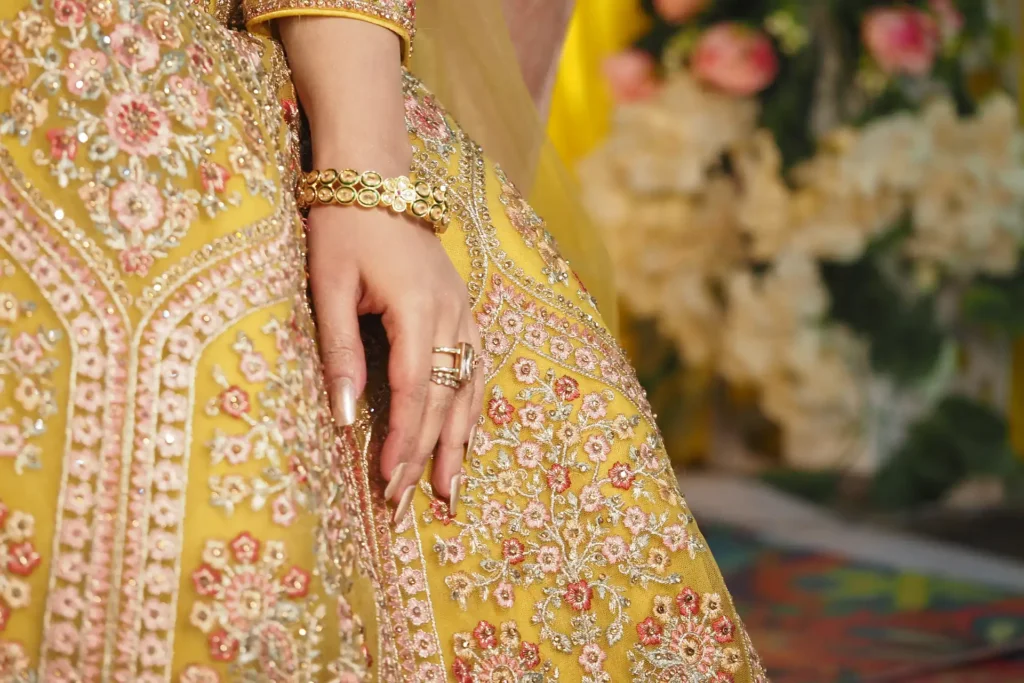
Weddings and special celebrations have always been connected with craftsmanship, culture, and personal expression. In many traditions, clothing becomes more than something we wear. It becomes part of the memory itself.
Among the many techniques used in traditional garments, hand embroidery designs continue to hold a special place. The detail, patience, and skill involved in handcrafted embroidery give every outfit a sense of individuality that machine work simply cannot replicate.
At Aarizardosi Embroidery, many clients come with the same question. They already own or plan to purchase a beautifully embroidered garment. What they want to understand next is how to style it so the outfit feels balanced, elegant, and appropriate for the event.
Styling hand embroidered outfits is less about adding more and more elements. The real goal is harmony. When embroidery, accessories, fabrics, and silhouettes work together, the entire look becomes refined without feeling overwhelming.
This guide will help you understand how to style embroidered outfits thoughtfully for weddings and formal celebrations.
Understanding the Beauty of Hand Embroidery
Before thinking about styling, it helps to appreciate what makes handcrafted embroidery unique.
Traditional embroidery techniques involve skilled artisans working thread by thread to create intricate patterns. These details may include florals, vines, geometric motifs, or symbolic elements that carry cultural meaning.
Some of the most admired forms include Aari Zardosi work, which uses a specialized hooked needle to create dense and detailed patterns using metallic threads, beads, and sequins. This technique has been used for centuries in royal garments and ceremonial clothing.
Because these pieces are handcrafted, every pattern carries subtle variations. That individuality is exactly what makes them special.
When styling embroidered garments, the embroidery itself should remain the focal point.
Choosing the Right Silhouette
One of the most important styling decisions is selecting a silhouette that complements the embroidery.
If the embroidery is very detailed and dense, a simpler garment structure often works best. This allows the craftsmanship to stand out without competing with dramatic tailoring.
For example,
- A straight cut kurta with heavy embroidery can look more elegant than an overly layered design.
• A flowing lehenga with a structured blouse allows embroidered details to remain visible.
• An A line gown can highlight embroidery placed along the bodice or hemline.
Clients who work with Aarizardosi Embroidery often request custom hand embroidery that is designed specifically for the silhouette of the garment. This approach ensures the embroidery enhances the shape of the outfit rather than overwhelming it.
The balance between structure and ornamentation is what creates a refined look.
Let the Fabric Support the Embroidery
Fabric choice plays a major role in how embroidery appears.
Heavy fabrics like velvet or raw silk can support dense embroidery patterns. This makes them ideal for formal evening events or winter weddings.
Lighter fabrics such as georgette, chiffon, or organza allow embroidery to feel delicate and fluid. These materials are especially popular for dupattas, layered skirts, or draped gowns.
For brides or wedding guests choosing a hand embroidered wedding dress, fabric weight also influences comfort. Weddings involve long ceremonies and celebrations, so the outfit should feel wearable for several hours.
When fabric and embroidery work together naturally, the garment feels luxurious without becoming heavy or difficult to manage.
Styling Dupattas with Embroidery
Dupattas can transform an outfit completely. A carefully embroidered dupatta adds elegance and movement while bringing the entire look together.
A popular choice for weddings is Aari Zardosi dupatta work, which often features intricate borders combined with delicate motifs across the fabric.
There are several ways to style embroidered dupattas depending on the event.
Classic shoulder drape
This style works well for formal ceremonies. The dupatta is placed over one shoulder, allowing the embroidered border to remain visible.
Front drape
For bridal events, draping the dupatta across the front highlights embroidery patterns placed along the edge.
Head drape
Traditional bridal styling often includes placing the dupatta lightly over the head. This works beautifully when the embroidery is concentrated along the border.
No matter the draping style, the goal is to allow the craftsmanship to remain visible without constant adjustment.
Balancing Jewelry with Embroidery
Jewelry can elevate embroidered outfits when chosen carefully.
When garments feature bridal Zardosi embroidery, the outfit itself already carries visual richness. In such cases, jewelry should complement rather than compete.
Consider these simple guidelines.
- Heavy embroidery pairs best with minimal jewelry.
• Large necklaces work well with simpler embroidered necklines.
• Statement earrings can replace a necklace entirely.
For brides, the jewelry should highlight the embroidery rather than hide it. If the blouse or neckline carries intricate detailing, choosing lighter jewelry helps maintain balance.
The goal is elegance, not excess.
Incorporating Hand Embroidered Accessories
Accessories are another way to enhance embroidered outfits while maintaining a cohesive look.
Hand embroidered accessories can include items such as
- Potli bags
• Clutches
• Belts
• Hair accessories
• Footwear
These small details create continuity between the outfit and the overall styling.
For example, a bridal outfit featuring Aari Zardosi work may be paired with a matching embroidered clutch or embellished footwear. The embroidery connects each element of the look without appearing forced.
At Aarizardosi Embroidery, many clients request embroidery for accessories that match their main outfit. This creates a coordinated appearance that feels thoughtfully designed.
Choosing Colors That Enhance Embroidery
Color selection can dramatically influence how embroidery appears.
Metallic threads used in Zardosi embroidery often stand out beautifully against deep tones such as
- Emerald green
• Royal blue
• Wine red
• Classic ivory
For daytime weddings or outdoor events, lighter shades can feel fresh and elegant. Soft pastels combined with subtle embroidery create a graceful look that feels festive without being overly formal.
When selecting colors for embroidered garments, contrast often plays a key role. Embroidery becomes more visible when the thread colors stand out against the base fabric.
Designers working with custom hand embroidery frequently consider color contrast early in the design process. This ensures the patterns remain visible from a distance.
Keeping the Overall Look Comfortable
While styling is important, comfort should never be ignored.
Hand embroidered garments can sometimes feel heavier because of the threadwork, beads, and metallic detailing. Choosing the right inner lining, garment structure, and fabric layers helps maintain comfort.
Brides and wedding guests should also consider the duration of the event.
A reception outfit may allow for more dramatic styling. Outfits for long ceremonies benefit from lighter fabrics and balanced embroidery placement.
The most memorable outfits are the ones that allow the wearer to move naturally and enjoy the celebration.
When Custom Embroidery Makes the Difference
Sometimes the best styling decision happens long before the event itself.
Instead of adapting an outfit after it is finished, designing the embroidery around the garment from the beginning can produce better results.
That is why many clients choose custom hand embroidery services. Working directly with artisans allows embroidery patterns to be placed precisely where they enhance the garment most.
At Aarizardosi Embroidery, artisans specialize in traditional techniques such as Aari Zardosi work, helping create garments that feel timeless while still reflecting the personal style of the wearer.
This collaborative process often results in outfits that feel both elegant and deeply meaningful.
Frequently Asked Questions
What makes hand embroidery different from machine embroidery?
Hand embroidery is created stitch by stitch by skilled artisans. This allows greater detail, texture, and individuality compared to machine produced patterns.
What is Aari Zardosi work?
Aari Zardosi work is a traditional embroidery technique that uses a hooked needle to create intricate designs with metallic threads, beads, and sequins.
Can I request custom hand embroidery for a wedding outfit?
Yes. Many embroidery studios including Aarizardosi Embroidery offer custom hand embroidery so patterns can be designed specifically for your garment.
What outfits work best with bridal Zardosi embroidery?
Bridal lehengas, gowns, dupattas, and traditional dresses are commonly styled with bridal Zardosi embroidery because the technique creates rich and detailed patterns.
Are hand embroidered accessories worth including in wedding styling?
Yes. Hand embroidered accessories such as clutches or dupattas can enhance the overall look and create a coordinated style that complements the main outfit.
Final Thoughts
Styling embroidered outfits is not about adding more details. It is about allowing craftsmanship to shine.
When silhouettes remain balanced, fabrics support the embroidery, and accessories are chosen thoughtfully, the entire outfit feels cohesive and refined.
Handcrafted embroidery carries a story of patience, tradition, and artistry. Whether you are preparing for a wedding, a cultural celebration, or a formal event, choosing thoughtfully styled embroidery ensures your outfit reflects both beauty and heritage.
With careful planning and the right craftsmanship from Aarizardosi Embroidery, embroidered garments can become timeless pieces that remain meaningful for years to come.