
Something interesting is happening in 2026.
People are not turning away from luxury. They are turning away from empty luxury.
In both the US and the UAE, fashion is leaning back toward work that feels slower, more intentional, and far more tactile. You can see it on couture runways, in occasionwear, in abayas, in bridal pieces, and even in the way fashion-inspired interiors are being styled. Editors covering Paris Couture Week and Dubai Fashion Week have kept returning to the same ideas: craftsmanship, threadwork, ornament, texture, and pieces that feel emotionally made rather than mechanically finished. Interiors coverage is echoing that too, with 2026 trend reports pointing toward artisanal detail, textile storytelling, ornament, and richly layered surfaces.
That shift matters because embroidery lives exactly in that space.
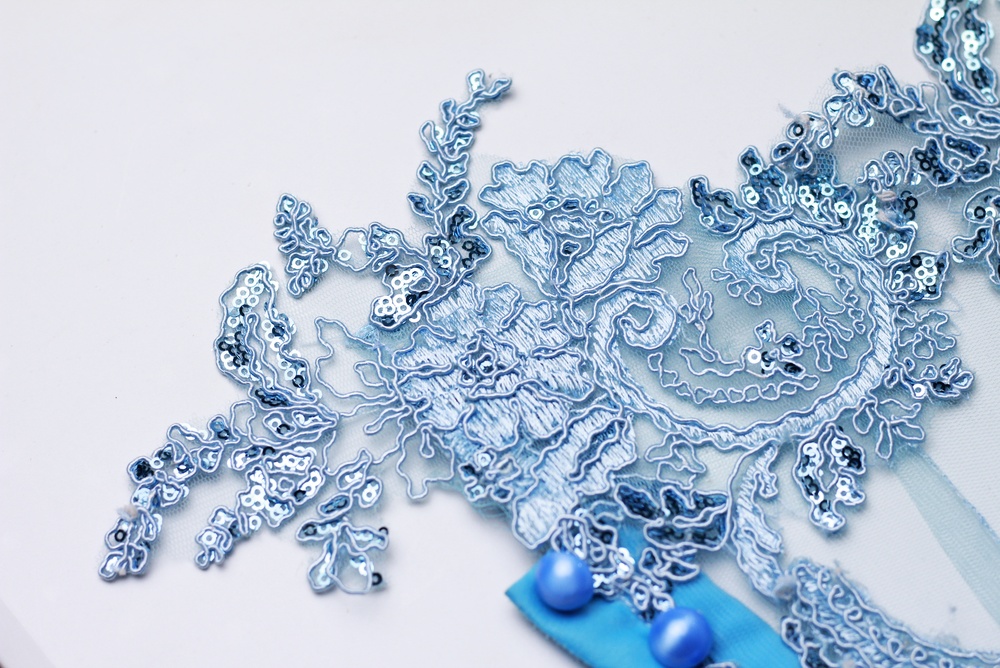
It gives fabric memory. It gives surface depth. It gives design a human hand.
And that is why hand embroidery is not just surviving in 2026. It is becoming more desirable.
Craft is speaking louder again
For a while, a lot of fashion moved toward cleaner, flatter, more restrained finishes. That aesthetic is still around, but it no longer seems to satisfy everyone. In most cases, buyers now want more feeling in what they wear. Something with texture. Something with evidence of work. Something that does not disappear the moment trends move on.
That is where embroidery comes back with real force.
In couture, visible craftsmanship has become part of the conversation again. Recent coverage of the Spring 2026 couture season described the mood as one shaped by beautiful craftsmanship, fantasy, threadwork, and technical finesse. In the UAE scene, Dubai Fashion Week has continued to frame fashion through creativity, culture, and craftsmanship, especially in collections where embroidery and hand-finished embellishment help shape identity rather than simply decorate the garment.
That is where things start to shift.
Embroidery stops being an accent and becomes part of the structure of the piece. It guides how the garment is read. It changes the mood. Sometimes it even changes how the wearer carries it.
The UAE is embracing heritage with a sharper modern finish
This feels especially visible in the UAE.
The region has always had a strong visual relationship with detail, occasion dressing, and elevated fabric work. But in 2026, the mood feels more refined. Not less expressive, just more intentional. Designers are still embracing richness, though the richness is being handled with more clarity now. The embroidery is often placed with precision. The silhouettes feel cleaner. The handwork remains present, but it is not always overwhelming.
That balance is important.
A modern embroidered abaya, evening gown, or demi-couture look in Dubai does not need to feel heavy to feel luxurious. It just needs to feel considered. Recent Dubai Fashion Week coverage reflects exactly that mix, highlighting labels that bring together embroidery, sculptural lines, heritage cues, and contemporary tailoring.
For ateliers and embroidery specialists, this creates real opportunity. Clients are not only asking for embellishment. They are asking for refinement. They want a finish that looks rich up close and elegant from a distance.
In the US, individuality is shaping the demand
The US market is moving from a different emotional place, but it is arriving at a similar result.
American fashion buyers are looking for uniqueness again. Not uniqueness for attention. Uniqueness for identity. They want pieces that feel personal, sometimes even heirloom-like. That is why hand-finished fashion, occasionwear, bridalwear, and embellished textiles are seeing renewed interest. Even broader fashion coverage around Fall 2026 points toward “modern heirlooms” and wardrobe pieces that feel meant to last rather than just circulate for a season.
Embroidery naturally fits that mood.
It adds individuality without forcing drama. It lets a designer build contrast into a garment. Soft fabric with sharp detail. Clean tailoring with intricate surface work. A minimal silhouette with a very expressive finish.
That contrast is powerful because it feels modern. It does not feel costume-like. It feels lived in, chosen, and personal.
Fashion and interiors are starting to speak the same language
This is one of the more interesting changes in 2026, and people do not always notice it right away.
Fashion and interiors are borrowing from each other more openly. Textile richness is moving beyond clothing and into the home with much more confidence. Design publications forecasting 2026 have highlighted the return of ornament, storytelling through textiles, wall-based fabric art, and decorative surfaces that feel personal rather than sterile. Luxury textile reporting from Paris Deco Off also points to ornament and couture-like fabric detail returning with confidence.
That is why hand embroidery for home decor is becoming more relevant, especially for clients who do not want generic interiors.
A cushion, panel, wall textile, or bespoke fabric accent with embroidery adds something mass-produced design rarely gives. Personality. Quiet richness. A sense that someone actually thought about the space.
This is also why luxury embroidered textile art is finding a place in high-end homes and boutique interiors. It softens modern spaces. It adds texture where minimalism can feel flat. It helps a room feel collected instead of merely styled.
And yes, the influence clearly overlaps with fashion.
When people begin valuing craftsmanship in what they wear, they usually begin noticing it in what they live around too.
Bespoke is becoming the real marker of value
One of the clearest 2026 shifts is this: people increasingly associate luxury with specificity.
Not just labels. Specificity.
They want their details. Their palette. Their motif. Their scale. Their story. That applies to occasionwear, couture, accessories, and even interior textiles. It is why custom hand embroidery and Bespoke hand embroidery are becoming stronger signals of value than generic embellishment.
A bespoke embroidered piece does not need to shout. In many cases, the strongest work is the most disciplined. A motif placed exactly where it changes the silhouette. A tonal thread choice that only reveals itself in motion. A textile panel that feels artistic without becoming loud.
That is real design maturity.
It is also where expertise matters most. Aarizardosi Embroidery understands this space well. Their strength is not simply in producing detailed work, but in shaping embroidery so it serves the garment or textile properly. That distinction matters whether the project involves embroidery for haute couture, modern occasionwear, statement fabrics, or hand embroidery for home decor that needs elegance without excess.
What clients are leaning toward in 2026
The direction is not random. Certain preferences keep showing up across both markets.
Here are a few that seem to be holding strong:
- refined embellishment over overcrowded surface work
- heritage techniques adapted to cleaner silhouettes
- mixed-texture finishes and layered threadwork
- statement details with lighter visual balance
- hand embroidery designs that feel personal, not copied
- crossover interest in embroidered fashion textiles and interior accents
That last point is worth paying attention to.
The future of embroidery may not sit in one category alone. It is moving across fashion, bridal, occasionwear, couture, and curated interiors at the same time.
FAQs
Is hand embroidery still relevant in modern fashion?
Yes. In 2026, it feels more relevant because buyers are looking for texture, individuality, and visible craftsmanship.
Why is embroidery growing in the UAE market?
Because the region values detail, elegance, and heritage, and modern designers are blending those elements with cleaner contemporary styling.
Is embroidery only important for couture pieces?
No. It works across couture, bridal, occasionwear, modest fashion, and even selected home textiles.
How is hand embroidery for home decor connected to fashion trends?
Both are moving toward richer surfaces, artisan detail, and more personal design choices. The visual language is becoming shared.
What makes bespoke embroidery more valuable?
It is tailored to the piece, the client, and the intended mood, so it feels far more meaningful than standard decorative work.
Final Thoughts
The embroidery story in 2026 is not just about decoration.
It is about return.
A return to patience. To skill. To pieces that feel touched by a person, not just processed by a system. In the US, that return is showing up through individuality and heirloom-minded design. In the UAE, it is appearing through refined heritage, couture detail, and modern elegance. Different paths, really. But they meet in the same place.
Craft matters again.
And as fashion keeps moving toward depth, texture, and meaning, embroidery will only become more important. Not because it is nostalgic, though sometimes it is. Because it gives design something many people are quietly craving right now. Soul.
For brands, designers, and clients looking for that level of finish, Aarizardosi Embroidery stands out as a skilled and trusted name in this field. Their work reflects the kind of thoughtful craftsmanship that fits where fashion is heading next, and where truly personal luxury has already begun.