
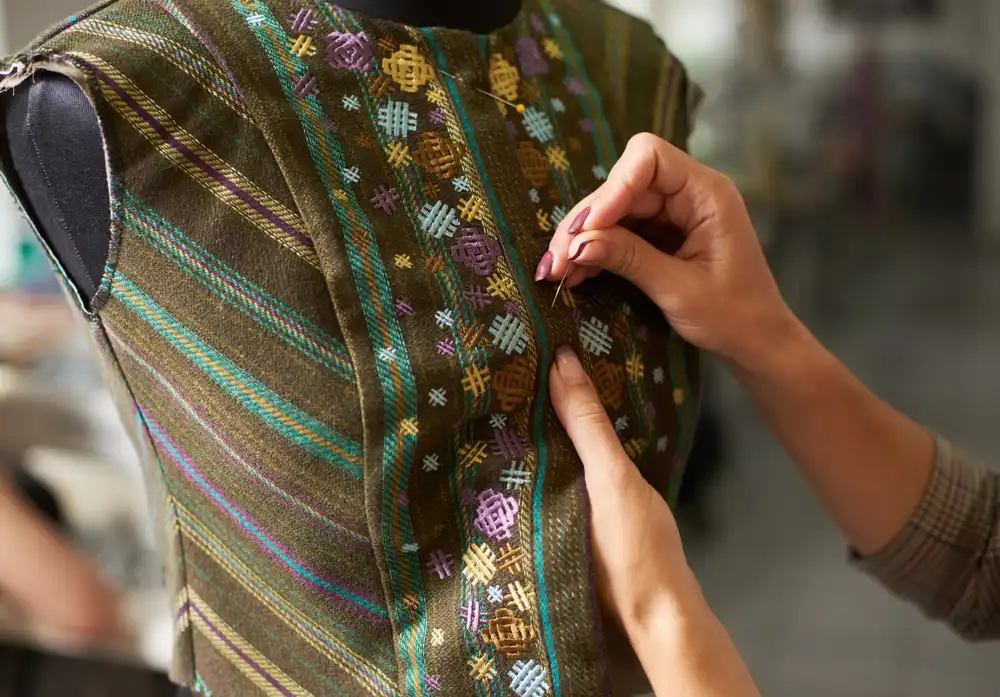
Hand embroidery carries a level of craftsmanship that cannot be replicated by machines. Every stitch represents time, skill, and patience. Whether it appears on a bridal outfit, a dupatta, or a delicate accessory, embroidery turns fabric into something meaningful and lasting.
Many people invest in embroidered garments for important occasions such as weddings, celebrations, and cultural events. Over time, these pieces often become sentimental items that people want to preserve for years. Proper care plays a major role in maintaining their beauty.
When treated thoughtfully, garments featuring luxury hand embroidery can remain vibrant and elegant for decades. However, improper washing, storage, or handling can damage threads, distort patterns, or weaken delicate fabrics.
At Aarizardosi Embroidery, clients often ask how to maintain embroidered garments once the event is over. Understanding the right care methods helps protect the artistry behind every piece.
This guide explains practical and effective ways to care for embroidered clothing and accessories so they continue to look beautiful over time.
Why Embroidered Garments Need Special Care
Embroidery involves layers of thread, beads, sequins, and metallic elements attached to fabric through intricate stitching. These materials respond differently to water, detergents, friction, and heat.
Unlike plain fabric garments, embroidered pieces contain raised surfaces and detailed patterns that can easily snag or weaken if handled carelessly.
Because of this, garments featuring luxury hand embroidery should always be treated with extra attention during washing, drying, and storage.
Taking a few precautions early helps prevent damage that may be difficult or impossible to repair later.
Understanding the Fabric Before Cleaning
Before washing any embroidered garment, it is important to understand the base fabric.
Embroidery can appear on a variety of materials such as silk, chiffon, organza, velvet, cotton, or georgette. Each fabric reacts differently to moisture and cleaning methods.
Silk and velvet often require professional dry cleaning because water may weaken the fibers or affect the color. Lighter fabrics like cotton or georgette can sometimes be cleaned gently at home when handled carefully.
Knowing the fabric type helps determine the safest cleaning approach. When unsure, professional cleaning is often the best option.
These basic hand embroidery care tips help prevent accidental damage during cleaning.
Safe Ways to Wash Embroidered Clothes
Washing embroidered garments incorrectly can loosen threads or distort the embroidery pattern. If home washing is suitable for the fabric, the process should always be gentle.
Follow these steps when considering how to wash embroidered clothes.
- Use cold water rather than warm or hot water.
• Choose a mild detergent designed for delicate fabrics.
• Turn the garment inside out before washing.
• Avoid scrubbing the embroidered area directly.
• Gently move the garment through the water instead of twisting or wringing it.
Hand washing is always safer than machine washing. The slow and controlled movement helps protect the embroidery from unnecessary friction.
These simple embroidered fabric cleaning tips reduce the risk of threads loosening or decorative elements falling off.
Drying Embroidered Garments the Right Way
Drying is just as important as washing. Improper drying can stretch the fabric or distort the embroidery.
After washing, avoid wringing the garment to remove water. Instead, gently press the fabric between soft towels to absorb excess moisture.
The garment should then be laid flat on a clean surface to air dry. Hanging embroidered garments while they are wet can cause the fabric to stretch due to the weight of the embroidery.
Direct sunlight should also be avoided. Strong sunlight may fade colors or weaken delicate threads.
Allowing the garment to dry naturally preserves both the fabric and the embroidery work.
Ironing Embroidered Clothing Safely
Ironing embroidered garments requires caution because heat can flatten or damage raised threadwork.
Before ironing, always turn the garment inside out. Placing a soft cotton cloth over the embroidery area can add another layer of protection.
Use low heat settings when ironing delicate fabrics. Steam should be applied carefully and never directly onto beadwork or metallic embroidery.
If the embroidery is particularly detailed or heavy, it may be better to steam the garment from a distance rather than pressing it with an iron.
These careful steps help maintain the structure of intricate hand embroidery designs without damaging the threads.
Storing Embroidered Outfits Properly
Storage is one of the most important aspects of garment preservation. Many embroidered pieces are worn only occasionally, which means they may remain stored for long periods.
Understanding how to store bridal embroidery outfits properly helps protect them from moisture, dust, and fabric deterioration.
Follow these storage guidelines.
- Always clean the garment before storing it.
• Store embroidered clothing in breathable fabric garment bags.
• Avoid plastic covers that trap moisture.
• Fold heavy garments carefully with soft tissue between layers.
• Keep garments in a cool, dry environment.
Bridal outfits with heavy embroidery should not be hung for long periods. The weight of the embroidery may gradually stretch the fabric.
Instead, storing them flat in protective fabric covers helps maintain their shape.
Protecting Embroidered Accessories
Embroidered accessories such as clutches, belts, or dupattas require similar care.
Dust can accumulate in threadwork over time. Gently brushing accessories with a soft cloth can remove surface dust without damaging the embroidery.
When storing embroidered accessories, avoid stacking heavy objects on top of them. Pressure can flatten delicate patterns or loosen threads.
Small fabric pouches can help protect accessories while keeping them organized.
These habits help maintain both appearance and durability.
Handling Stains on Embroidered Fabric
Stains should always be treated carefully to avoid spreading the damage.
Avoid rubbing the stain directly over the embroidered section. Instead, lightly blot the surrounding fabric using a soft cloth.
Harsh chemical stain removers should be avoided because they may weaken embroidery threads or cause discoloration.
If the stain affects the embroidered area, professional cleaning is usually the safest option.
Protecting the threads and decorative elements is more important than aggressive stain removal.
Preserving the Beauty of Luxury Embroidery
Garments featuring luxury hand embroidery are often created by skilled artisans who spend hours or even days completing a single piece.
At Aarizardosi Embroidery, artisans dedicate careful attention to every pattern and stitch. Proper care ensures that this craftsmanship continues to shine long after the garment is worn.
Embroidery represents a blend of tradition, creativity, and patience. Preserving these garments allows them to remain meaningful pieces that can be worn again or passed down to future generations.
With thoughtful care and proper handling, embroidered garments can remain beautiful for many years.
Frequently Asked Questions
How often should embroidered garments be cleaned?
Embroidered garments should only be cleaned when necessary. Frequent washing may weaken threads or decorative elements. Spot cleaning and gentle care can help reduce the need for regular washing.
Can embroidered clothing be washed in a washing machine?
Machine washing is generally not recommended for embroidered garments. Hand washing or professional cleaning is safer for protecting delicate threadwork and fabric.
What is the safest way to store bridal embroidery outfits?
Understanding how to store bridal embroidery outfits properly involves cleaning the garment first, folding it with protective tissue, and keeping it in breathable fabric storage bags in a cool and dry space.
Are embroidered fabrics suitable for regular ironing?
Embroidered fabrics should be ironed carefully. Turning the garment inside out and using a cloth barrier helps protect raised embroidery patterns from heat damage.
How can I prevent embroidery threads from loosening?
Following proper hand embroidery care tips, including gentle washing, careful drying, and correct storage, helps keep threads secure and prevents long term damage.
Conclusion
Embroidered garments carry more than decorative value. They represent artistry, culture, and careful craftsmanship.
Caring for these pieces properly ensures that their beauty remains intact. Gentle cleaning methods, thoughtful storage, and careful handling all contribute to preserving the delicate details created through luxury hand embroidery.
With the right approach and guidance from experienced artisans such as Aarizardosi Embroidery, embroidered garments and accessories can remain elegant, wearable, and meaningful for many years to come.